
Behavioural Diversity, Enrichment and Total Welfare
Updated: Apr 23
Seeing the Dog in Front of You
When families reach out to me, they often say they need training. And sometimes that is true. Skills matter. Communication matters. But very often, what they really need is space to understand what is underneath the behaviour they are seeing.
Behaviour does not sit on its own. It rests on welfare. If we only focus on what the dog is doing, we miss why they are doing it. You can’t train fear out of the dog, and you can’t train the behaviour out of the dog if it is rooted in an unmet need. Until we understand the dog in front of us and what they are trying to communicate, we are only ever working on the surface.
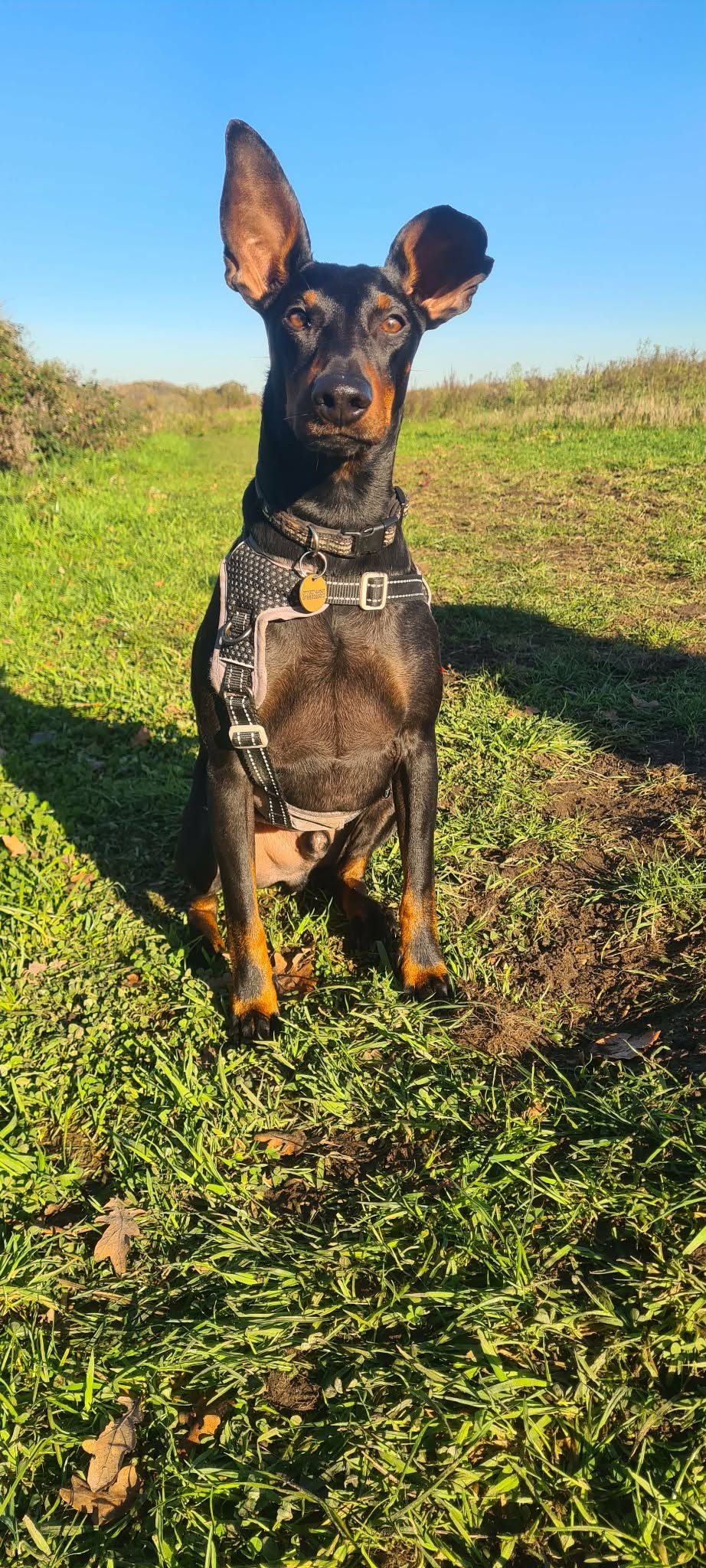
Behavioural diversity is normal. Just like people, dogs have different temperaments, different sensitivities, and different social preferences. Some dogs are naturally social and curious. Others are more thoughtful, more cautious, or simply prefer calm, predictable environments. Not all dogs want to be super sociable, and that is not a flaw. It is individuality. When we accept that, we stop trying to mould every dog into the same shape and instead start asking: what does this dog need to feel safe?
I often ask families, whose walk is it? If your dog spends most of their time sniffing, that is not stubbornness or distraction. Sniffing is a regulation. It is information gathering. It is how dogs process their world. When we rush them from point A to point B, we may be taking away the very thing that helps their nervous system settle. Less is more far more often than we realise.
Enrichment has become a popular word, and I am pleased that it has. But enrichment is more than giving a Kong and hoping for a quiet half hour. True enrichment is about meeting needs in a way that supports emotional safety. It might look like scatter feeding in the garden, creating a safe digging area, or allowing your dog to opt out of busy social situations. It might look like predictable routines, safe resting spaces, or advocating for your dog when they are overwhelmed. Sometimes enrichment is not about adding more stimulation. Sometimes it is about reducing pressure.
When we talk about Total Welfare, we are looking at the whole picture. Nutrition, environment, physical health, behaviour, and mental well-being all interact. A dog who guards a sofa may be in discomfort. A dog who lunges on the lead may be worried. A dog who chews furniture may be disregulated or lacking appropriate outlets for natural behaviour. These are not character flaws. They are communicating. Behaviour is data.
This is where the role of a Family Dog Mediator comes in. My work is not about drilling cues or promising fast results. It is about observing carefully, listening closely, and gently piecing together what might be contributing to what you are seeing. We look at patterns. We consider unmet needs. We create space for the dog to feel safe. Safety always comes first because, without safety, learning cannot happen in a way that protects the dog’s dignity.

So many caregivers arrive feeling guilt or frustration. They have tried harder walks, busier environments, more exposure, and more practice. And they are exhausted. Shifting from “owner” to caregiver changes everything. A caregiver protects. A caregiver advocates. A caregiver understands that connection, safety, and your dog feeling safe is the foundation for everything else. When we reduce pressure and increase understanding, behaviour often softens naturally.
Total Welfare at home does not require perfection. It is made up of small, thoughtful changes. Slower walks. More sniffing. Clear but kind boundaries. Predictable routines. The confidence to say no to situations that do not serve your dog’s nervous system. Acceptance that your dog may not enjoy what someone else’s dog enjoys. Seeing behavioural diversity not as a problem to fix but as something to respect.
There are no quick fixes here, and I will never promise them. What I can offer is thoughtful, evidence-informed support that centres relationship over obedience and safety over performance. Together, we can unpick the pieces of the puzzle and build a life that supports your dog’s emotional and physical well-being in a way that feels realistic for your family.
If this resonates with you, I invite you to explore my services and book a consultation through my website. Whether you are navigating puppyhood, struggling with big feelings on walks, or simply wanting to understand your dog more deeply, we start in the same place. We slow down. We look at the whole picture. And we begin by seeing the dog in front of you.


Comments