
Adopting a Dog From Abroad: Looking Beyond the Rescue Story
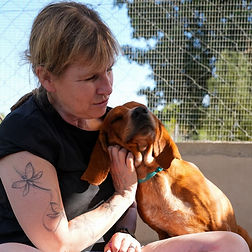
Overseas rescue is something very close to my heart. I've spent time volunteering at a rescue in Cyprus, getting to know the dogs and the people who work so hard to give them a chance of a better life. I've also adopted a dog from there myself, so I know how exciting, emotional and sometimes overwhelming the whole experience can be.
There are some wonderful rescues doing extraordinary work, often in very difficult circumstances, but I do think we need to be careful not to let our hearts run too far ahead of our heads.
It's incredibly easy to see a photograph, read a story and fall in love with a dog we've never met. Before we know it, we're imagining them curled up on our sofa, enjoying long walks and being part of everything we do. But have we stopped to think about whether the life we're imagining is one that particular dog will actually enjoy?

A completely different world
Something I think we sometimes underestimate is just how much we're asking of a dog when we bring them from another country into our homes.
Some will have lived on the streets, others in shelters or foster homes, and their experiences of people, other animals and everyday life may be very different from what we're used to.
Imagine a dog who has spent much of their life in a relatively quiet rural environment suddenly finding themselves in a busy London street. There are buses, traffic, people, bicycles and other dogs appearing around corners. Even the house itself may be unfamiliar, with stairs, televisions, washing machines and all the noises we barely notice anymore.
Of course some dogs adapt remarkably well, but others find it much harder, and I think we owe it to them to recognise that before they arrive.
I often wonder whether we spend so much time thinking about the wonderful life we're going to give them that we forget to consider how that life might actually feel from their perspective.
Choosing the right rescue and asking questions
I would always encourage anyone considering adopting from abroad to really get to know the rescue they're adopting through. Not just the lovely photographs and success stories, but how they operate, what they know about their dogs and what happens when things don't go quite to plan.
I'd want to know where the dog came from, how long they've been in rescue and what their current environment looks like. Have they lived in a home before? What do the people caring for them actually know about their behaviour, and what have they observed rather than assumed?
If a dog is described as being good with children, cats or other dogs, I'd want to understand what that means. Living alongside familiar dogs in a shelter is very different from meeting unfamiliar dogs on a lead in a busy park.
I'd also want to understand what veterinary care they've received, whether appropriate health screening has been carried out and what arrangements are in place for bringing them legally and safely into the UK. Depending on where they're coming from, there can be additional health considerations, including diseases that aren't commonly encountered here. This is something worth discussing with your vet before your dog arrives.
And importantly, what support does the rescue offer afterwards?
A good rescue should welcome thoughtful questions. Nobody can guarantee how a dog will behave once their entire world has changed, but I would much rather somebody was open about what they don't know than offer reassurance they can't possibly substantiate.

Why I think support before adoption matters
This is one of the reasons I offer pre-adoption calls.
Sometimes families have already found a dog they're interested in, and sometimes they're only just beginning to think about adopting. Either way, I think having somebody to talk things through with before making that commitment can be incredibly valuable.
As a Licensed Family Dog Mediator, I'm interested in understanding the whole dog, not simply whether they appear friendly or whether somebody thinks they'll be easy to train.
We can look at what we know about their genetics, previous learning and experiences, their current environment and what they might need to feel comfortable in yours. We can also think about your family, any existing animals and what your everyday life actually looks like.
It's not about finding reasons not to adopt. It's about giving everyone the best possible chance of making a good match.
Sometimes that means recognising that a particular dog might find your environment very challenging, and occasionally it means accepting that another home might suit them better. That can be disappointing, particularly when you've already become emotionally invested, but I think it's far kinder to consider these things before the dog has travelled hundreds or thousands of miles.
The journey doesn't end when they arrive
Through the Rescue Dog Care Network (RDCN), I work alongside Samantha Wayland and two other experienced dog professionals supporting people who have adopted rescue dogs.
Samantha originally set up the group, bringing together people she knew through dog training and rescue. Samantha and I met while volunteering with the same rescue in Cyprus, where we have both adopted dogs ourselves.
Between us, we bring professional knowledge and personal experience of overseas rescue, and the group provides practical guidance to help families prepare for their dogs arriving home.
One of the things we talk about a great deal is giving dogs time.
Some dogs will have travelled for days before they reach their new families. They may be physically exhausted, frightened or simply overwhelmed by everything that has happened. Yet we can be so excited to welcome them that we immediately want to introduce them to everybody and show them all the wonderful things we've planned.
I understand that excitement, but there really is no rush.
Our guidance encourages people to prepare a quiet, safe space, avoid unnecessary visitors and give their new dog the opportunity to rest and begin understanding their surroundings before expecting too much of them.
For overseas dogs, we also need to think very carefully about safety. Some may never have worn a collar or walked on a lead, and a frightened dog can be incredibly resourceful when trying to escape something that worries them. Secure transport, appropriate equipment and a sensible plan for those first days are things to arrange before the dog arrives, not after.
I would much rather see a dog spending their early days sleeping, pottering around and gradually becoming curious about their new home than being taken everywhere because we think they need to start socialising.
There will be time for walks and adventures later.
Getting to know the dog who actually arrives
Something I think is really important to remember is that the dog you see in photographs or videos may not behave in quite the same way once they're living with you.
A dog who appears very quiet initially may become more confident and expressive as they settle. Others may take considerably longer before they feel comfortable enough to show us their preferences.
That doesn't necessarily mean anything has gone wrong. We're getting to know them, and they're getting to know us.
I have had Ori for over a year now and I'm still discovering things about him. I don't think we ever really stop learning about the dogs we share our lives with, and I certainly wouldn't expect a newly adopted dog to have everything worked out in a few weeks.
I also think we need to be careful about the expectations we place on rescue dogs. They don't owe us gratitude for bringing them home, and they don't have to become the dog we imagined when we first saw their photograph.
Of course there need to be boundaries, and we have a responsibility to keep them and everybody around them safe. But that doesn't mean their lives need to revolve around control and compliance.
I want dogs to have happy, fulfilling lives where they can be dogs, with their own personalities, preferences and needs. For some, that might involve wonderful adventures and lots of exploring. For others, it might be a quiet, predictable life with familiar people and somewhere comfortable to sleep.
Neither is any less successful.
I think the most important thing we can do is stop measuring how well an adoption is going against how quickly a dog becomes sociable, confident or obedient, and start looking at how comfortable and content that individual dog actually is.
After all, we're not bringing them here to turn them into somebody else's idea of a perfect dog.
We're bringing them into our lives to share them.
Thinking about adopting a dog from overseas?
If you're considering adopting from abroad, or you've recently welcomed a rescue dog home, I offer pre and post-adoption calls to help you think things through, prepare for their arrival and understand what they're telling you as they settle.
Sometimes having somebody experienced to talk to before making that commitment, or during those early weeks together, can make all the difference.
Send me a WhatsApp on 07917 868838 and tell me a little about you and the dog you're considering, or the dog you've already welcomed home.


Comments