
Before You Say Yes: Why a Pre-Adoption Conversation Matters
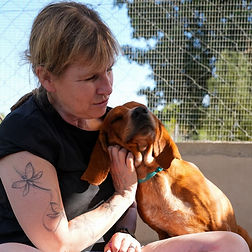
Seeing a photograph of a dog looking for a home can tug at your heartstrings.
You read their story, look at those eyes and before you know it, you're imagining them curled up on your sofa. Perhaps you've even started thinking about names.
I completely understand it. I have adopted rescue dogs myself and I know how powerful that connection can feel, even before you've met them.
But one of the kindest things we can do for a dog is to slow down before making that commitment.
Not because I want to put anyone off adopting. Quite the opposite. I want adoptions to work, for the dog and for the family welcoming them home.
And sometimes that means asking questions that aren't quite as exciting as choosing a collar or getting their bed ready.
The life we imagine and the life we actually live

When people tell me what they're looking for in a dog, they often describe the lovely things they hope to do together. Long walks at the weekend, holidays, days out with the family and perhaps a dog who will happily accompany them to the local café.
There's absolutely nothing wrong with wanting those things. But I am much more interested in what an ordinary Tuesday looks like.
What happens when everyone is getting ready for school or work? Is the house busy or relatively quiet? Are there children, cats or other dogs already living there? How often are people coming and going, and how much time will the dog realistically spend alone?
These things matter because the environment we're bringing a dog into will have an enormous influence on their experience of life.
A dog who has spent much of their life in a quiet rural environment may find a busy town overwhelming. Another dog might settle beautifully into family life but struggle with being left alone. Some dogs may need more space and predictability than a busy household can comfortably provide. That doesn't make them difficult dogs, and it certainly doesn't make them less deserving of a home. It means we need to think carefully about whether we can meet their needs.
What do we actually know about this dog?
One of the things I encourage people to do is become curious about the information they've been given. Rescue organisations and foster carers can provide some incredibly valuable observations, but we also need to understand the circumstances in which those observations were made.

A dog described as good with other dogs might have been living alongside familiar dogs in a shelter or foster home. That doesn't necessarily tell us how they will feel about unfamiliar dogs approaching them on a narrow pavement.
A dog who appears calm and quiet in kennels may genuinely have a naturally relaxed temperament, or they may be overwhelmed by their environment.
Equally, a dog who is lively and excitable in a shelter might behave very differently once they have a predictable routine and somewhere comfortable to rest.
I'm not suggesting that we should distrust the information rescues give us. Far from it. Many people involved in rescue work go to extraordinary lengths to understand and support the animals in their care. But observations are always made within a particular context, and understanding that context helps us make better decisions. There will inevitably be things we don't know, particularly when a dog's history is incomplete. What matters is recognising those uncertainties rather than filling them with assumptions.
Sometimes we need to look beyond the photograph
This is where a pre-adoption conversation can be so valuable. As a Licensed Family Dog Mediator, I look at the whole dog rather than focusing simply on whether they seem friendly, affectionate or trainable. Their genetics, learning history, environment and individual needs all have a part to play in how they experience the world.
If you're considering a particular breed or breed mix, we can talk about the behaviours and needs that may come naturally to them. That doesn't mean every dog of that type will behave in exactly the same way, but it gives us useful information when thinking about what life together might involve.
We can also consider what is known about their previous experiences, how they are currently living and what changes they may face when they arrive. And importantly, we can talk about you. Your family, your expectations and what you feel able to manage.
There is no judgement in that conversation. Not everybody wants a dog who needs hours of physical activity every day. Not everybody has the space or circumstances to support a dog who finds visitors frightening. Families with young children may need to think about things differently from somebody living alone. Being realistic about those things isn't selfish. It's responsible.
What if the dog isn't the right match?
This can be the hardest part of the conversation, particularly when somebody has already fallen in love with a dog. Sometimes we may discover that there are things to consider more carefully before proceeding. Perhaps the dog has needs that would be particularly difficult to meet in that home, or there are important questions that haven't yet been answered. That doesn't automatically mean the adoption can't work.
But I would much rather somebody has the opportunity to think those things through before the dog arrives than find themselves struggling afterwards. Occasionally, the kindest decision may be to keep looking.
I know that can be disappointing, especially when you feel you've found your dog.
But finding the right home is about much more than good intentions, and there may be another family whose circumstances suit that particular dog better. There may also be another dog who would fit beautifully into yours.
Preparation isn't the same as having expectations
Something I feel very strongly about is that we can prepare thoroughly without expecting a dog to arrive knowing how to live in our world. A pre-adoption call isn't about creating a training programme for everything the dog must learn during their first few weeks.
It's about understanding what might help them feel safe and comfortable, thinking about the environment we're providing and recognising where we may need to make adjustments. Of course there will be boundaries. Every household needs to function safely, and dogs need guidance as they learn about living alongside us. But I don't want those early weeks to become a constant exercise in control and compliance.
I want families to have the confidence to give their new dog time.
To be curious rather than worried when something unexpected happens, and to recognise that getting to know one another is a process that continues long after adoption day.
I have had Ori for over a year and he is still showing me new things about himself. I wouldn't expect somebody bringing home a dog they've never lived with before to understand everything about them within a fortnight.
Giving everyone the best possible start
For me, a successful adoption isn't about finding a perfect dog. It's about making a thoughtful match between a dog and the people who will share their life, then being willing to keep learning and adapting together. Sometimes a pre-adoption call gives a family the reassurance they need to move forward. Sometimes it highlights questions they hadn't considered, or helps them recognise that a different dog might be more suitable.
Either way, I think having that conversation before making such an important commitment can make an enormous difference. Because the aim isn't simply to bring a dog home. It's to build a life together that works for everyone.
Thinking about adopting a rescue dog?
If you've found a dog you're considering, or you're just beginning to explore adoption and aren't sure where to start, I offer pre-adoption calls to help you think everything through. We can talk about your family, your home, the dog you're considering and the questions worth asking before you make your decision.
Send me a WhatsApp on 07917 868838 and tell me a little about the dog you're hoping to welcome into your life.


Comments